
Modular housing is revolutionizing the development landscape for community housing projects. With its ability to streamline construction timelines, reduce environmental impact, and maintain high-quality standards, modular construction is an adaptable solution for a variety of housing needs.
As part of the evolving landscape of community housing, modular homes respond to changing market demands and shifting lifestyle preferences, offering modern and flexible living solutions. Whether the focus is on urban areas, eco-friendly developments, or rural housing projects, modular housing is bridging the gap between vision and reality.
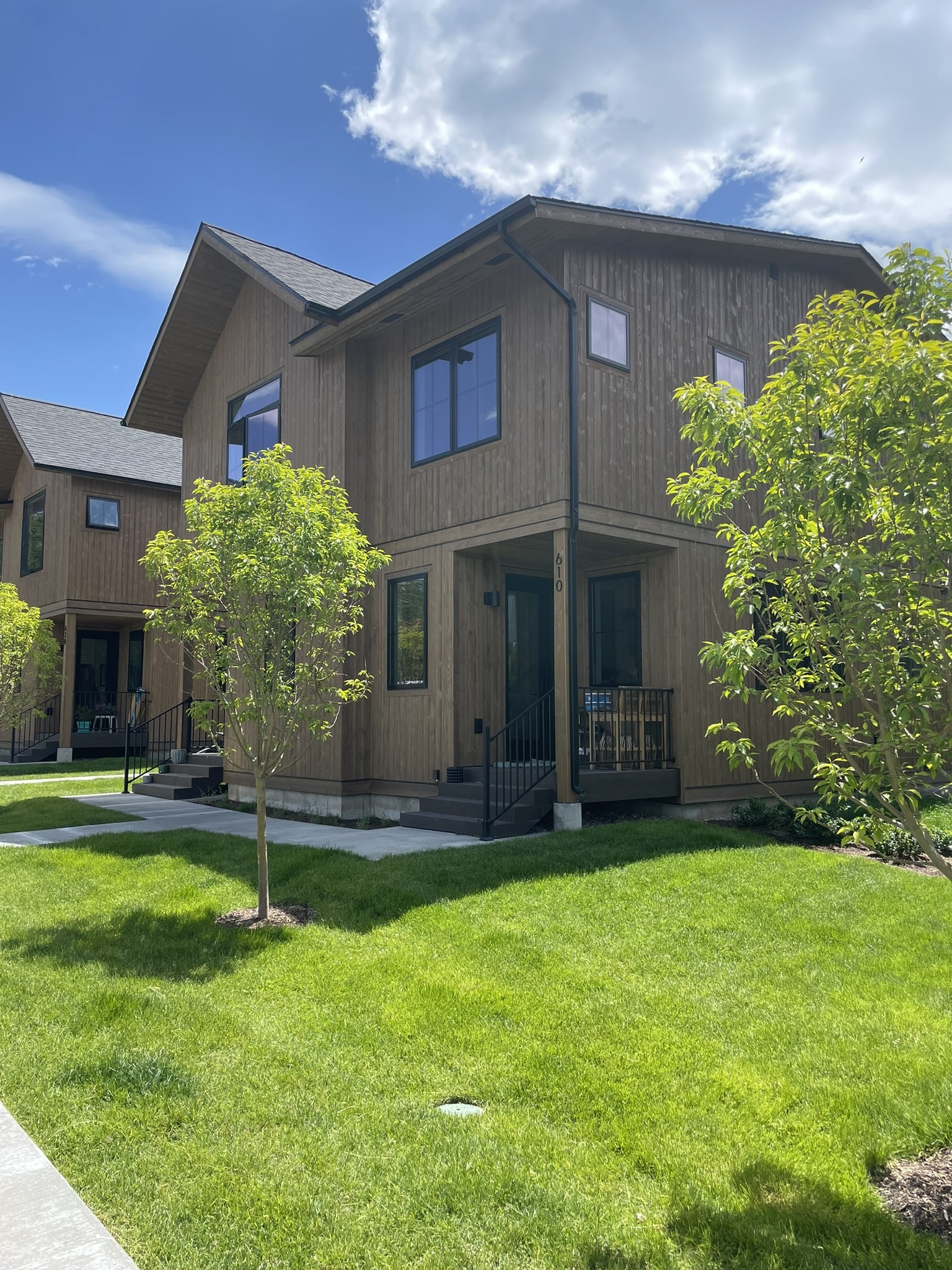
This article will explore the benefits of modular construction for different types of community housing projects, highlighting its adaptability to unique goals and environments. Ultimately, modular housing stands out as a key contributor to a sustainable future for community housing projects.
The Advantages of Modular Housing for Community Projects
Modular housing utilizes pre-fabricated construction methods, where components are built off-site and then assembled on location. The key features of modular housing include sustainability, energy efficiency, and reduced waste, making it an environmentally friendly choice. This innovative approach offers significant advantages over traditional methods, including cost-efficiency, speed, and enhanced quality control. Here’s why it’s a game-changer for community housing projects.
1. Streamlined Timelines
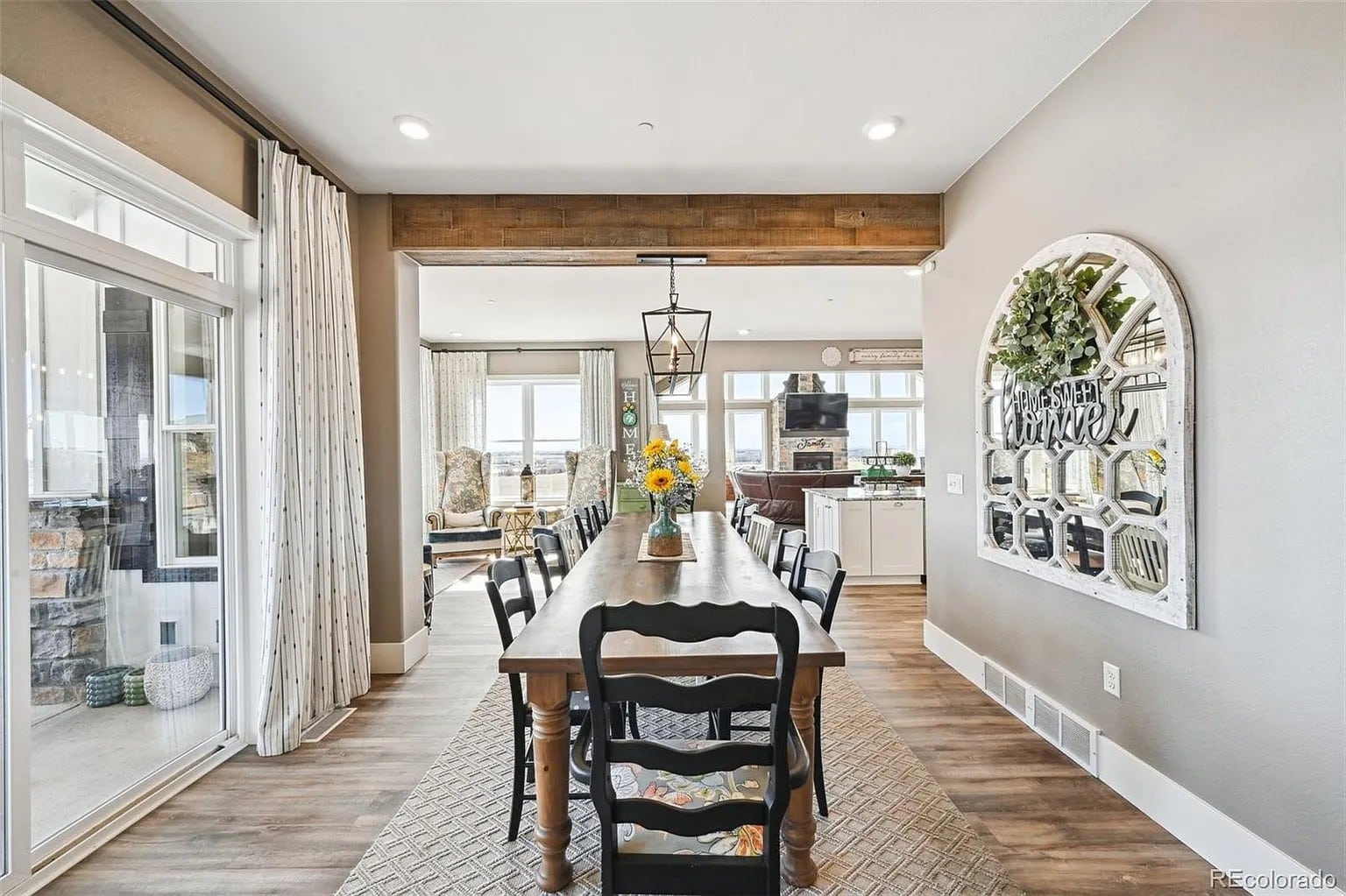
Traditional construction can take years of planning and execution, often extending project deadlines and inflating costs. Modular housing drastically reduces timelines by allowing site preparation and off-site construction to occur simultaneously.
Additionally, modular construction helps overcome labor shortages that often delay traditional construction projects, as much of the building process is completed in a controlled factory environment with optimized labor use.
For housing developments addressing housing shortages, this efficiency is critical. It ensures that more people can access quality housing faster, meeting urgent housing needs without compromising on the end product’s durability or design.
2. Sustainability at Its Core
Eco-conscious construction methods are more important than ever, particularly for community housing projects that aim to harmonize with their surroundings. Modular housing specializes in sustainability by using energy-efficient materials, minimizing on-site waste, and operating with precision to avoid resource overuse. The environmental benefits of modular construction include lower emissions, minimized resource use, and optimized energy efficiency during the building process.
Whether it’s reducing a building’s carbon footprint or integrating energy-saving features like smart insulation, modular construction aligns with sustainability goals across all types of housing projects. Compared to traditional methods, modular construction leads to reduced waste through efficient factory-based manufacturing and improved material recycling. Additionally, modular homes often incorporate sustainable materials, which further reduce resource consumption and support environmentally friendly building practices.
3. Cost-Effective Development
Budget is always a key consideration in community housing projects. By leveraging modular construction, developers can achieve significant cost savings on material waste, reduce labor costs through automation, and avoid costly weather-related delays. The ability to control costs without sacrificing quality makes this approach ideal for housing developments catering to tight budgets, such as affordable housing in rural areas.
Additionally, the smaller size of modular homes can further enhance affordability and efficiency, making them a practical choice for cost-effective community housing solutions.
4. Customizable Designs for Diverse Needs
Modular homes offer a wide range of customizable designs and benefits, making them ideal for meeting diverse community needs. One of modular housing’s greatest strengths is its flexibility. Multi-family urban developments, single-family rural homes, or eco-friendly communities—whatever the requirement, modular construction can create tailored designs that suit differing demographics and lifestyles.
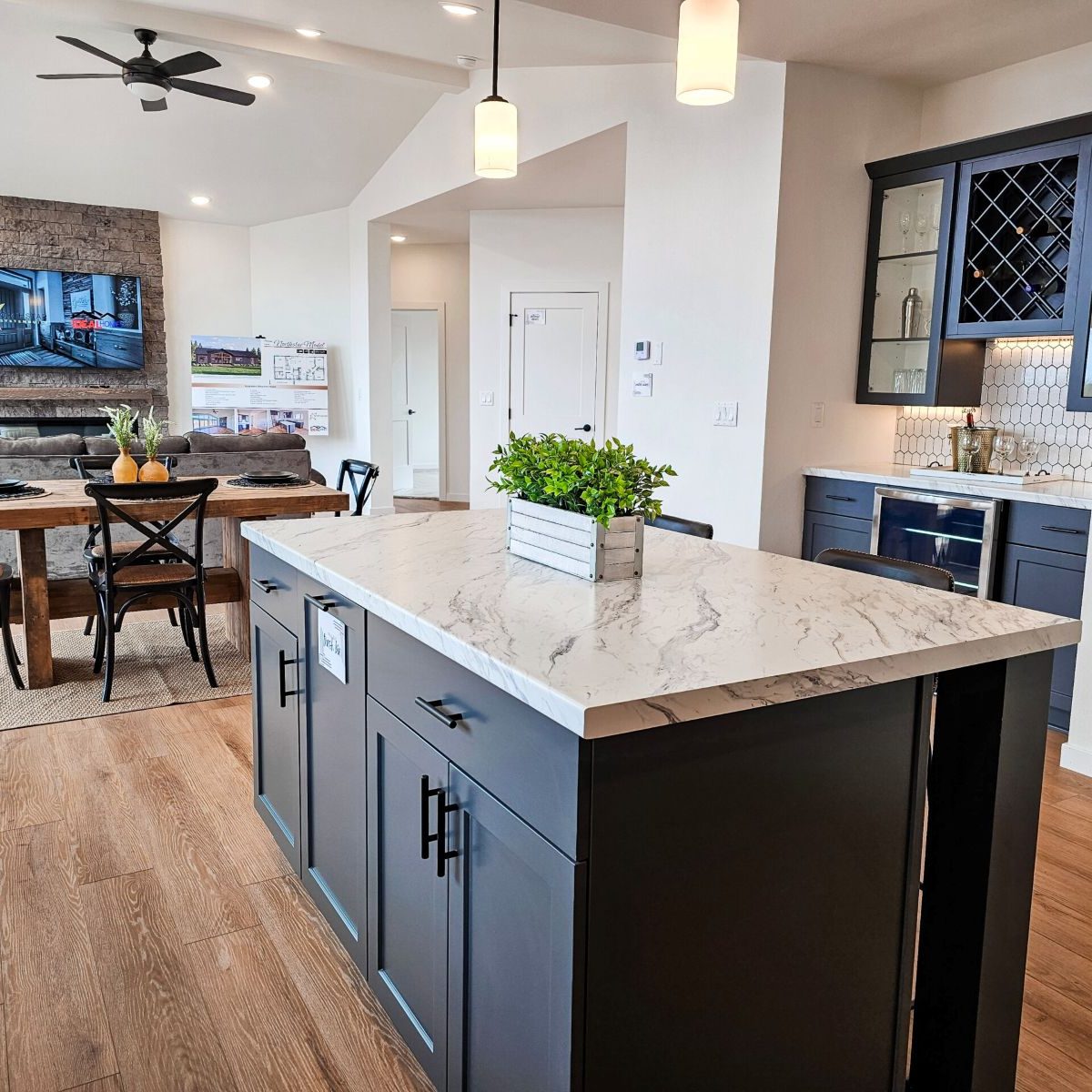
For example, housing projects targeting young professionals in urban areas may prioritize sleek, space-efficient designs, while rural developments might focus on spacious layouts and environmental integration. Modular methods ensure that every project is built to meet the unique needs of its residents and environment.
Types of Community Housing Projects
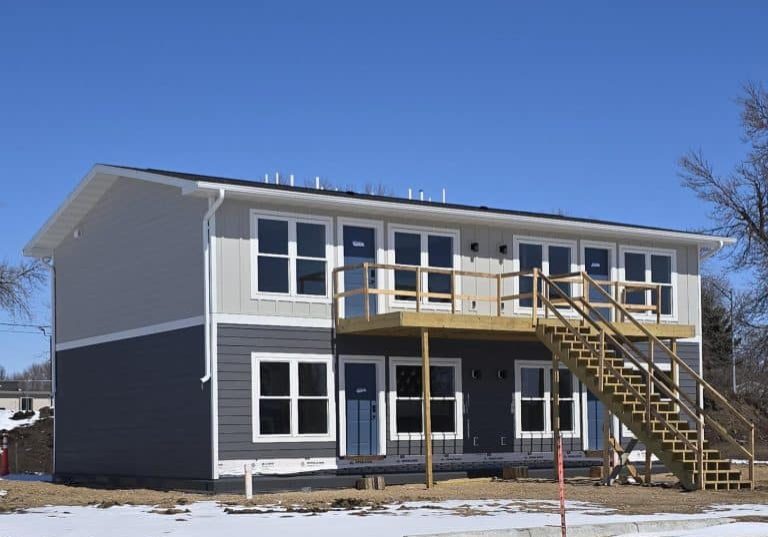
Modular construction is adaptable to a wide spectrum of community housing needs, providing targeted solutions for specific groups, locations, and facilities. By addressing the requirements of residents, organizations, and localities, modular solutions help communities achieve their housing goals efficiently and reliably.
There is a growing demand for modular solutions in community housing projects, driven by their flexibility, cost-effectiveness, and ability to meet evolving market needs.
Affordable and Workforce Housing
Meeting the needs of families, essential workers, and individuals seeking accessible, cost-effective housing, modular construction delivers durable homes that can be designed for affordability without compromising quality. This approach is well-suited for municipalities or organizations looking to expand workforce or affordable housing options swiftly. Modular construction also offers a sustainable solution, providing an innovative and eco-friendly way to address affordable housing challenges.
Senior, Student, and Veteran Housing
Specialized modular housing caters to groups such as seniors, students, and veterans by integrating accessibility features, communal amenities, or support services. Whether designing senior-friendly accommodations or student apartments close to campuses, modular methods allow for tailored, efficient living spaces that promote comfort and independence.
Emergency and Transitional Housing
When communities require rapid response to crises—such as natural disasters or temporary displacement—modular construction provides efficient, relocatable housing solutions. These units can be deployed quickly, offering immediate shelter and support where it's needed most.
Tribal, Parks, and Camp Housing
Modular construction excels in remote and culturally significant settings, delivering quality residences for tribal communities or staff housing in national parks and campgrounds. Projects in locations like national parks or seasonal camps benefit from modular’s speed of installation and minimized site disruption. Examples include accommodations that blend into natural settings or camps designed for flexible group living.
Types of Housing Structures
Factory built homes, including modular homes, are constructed in a factory setting for improved quality, efficiency, and reduced environmental impact. The strength of modular construction lies in its configurability. Whether the need is for individual residences or multi-family dwellings, modular projects accommodate a variety of layouts and occupancy goals.
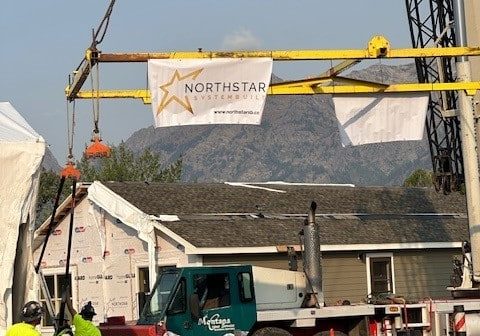
Here are some common structures, each complemented by real-world examples:
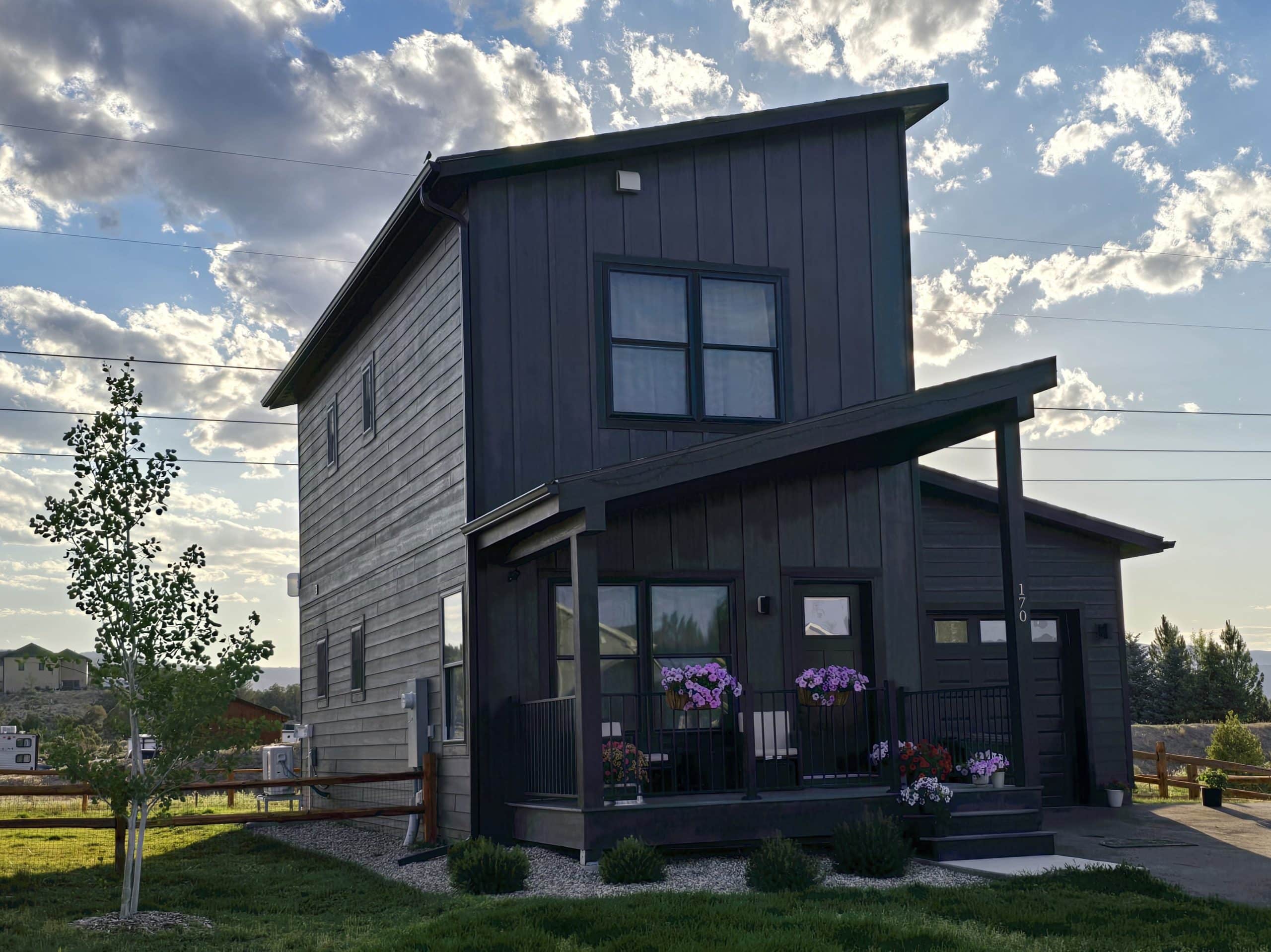
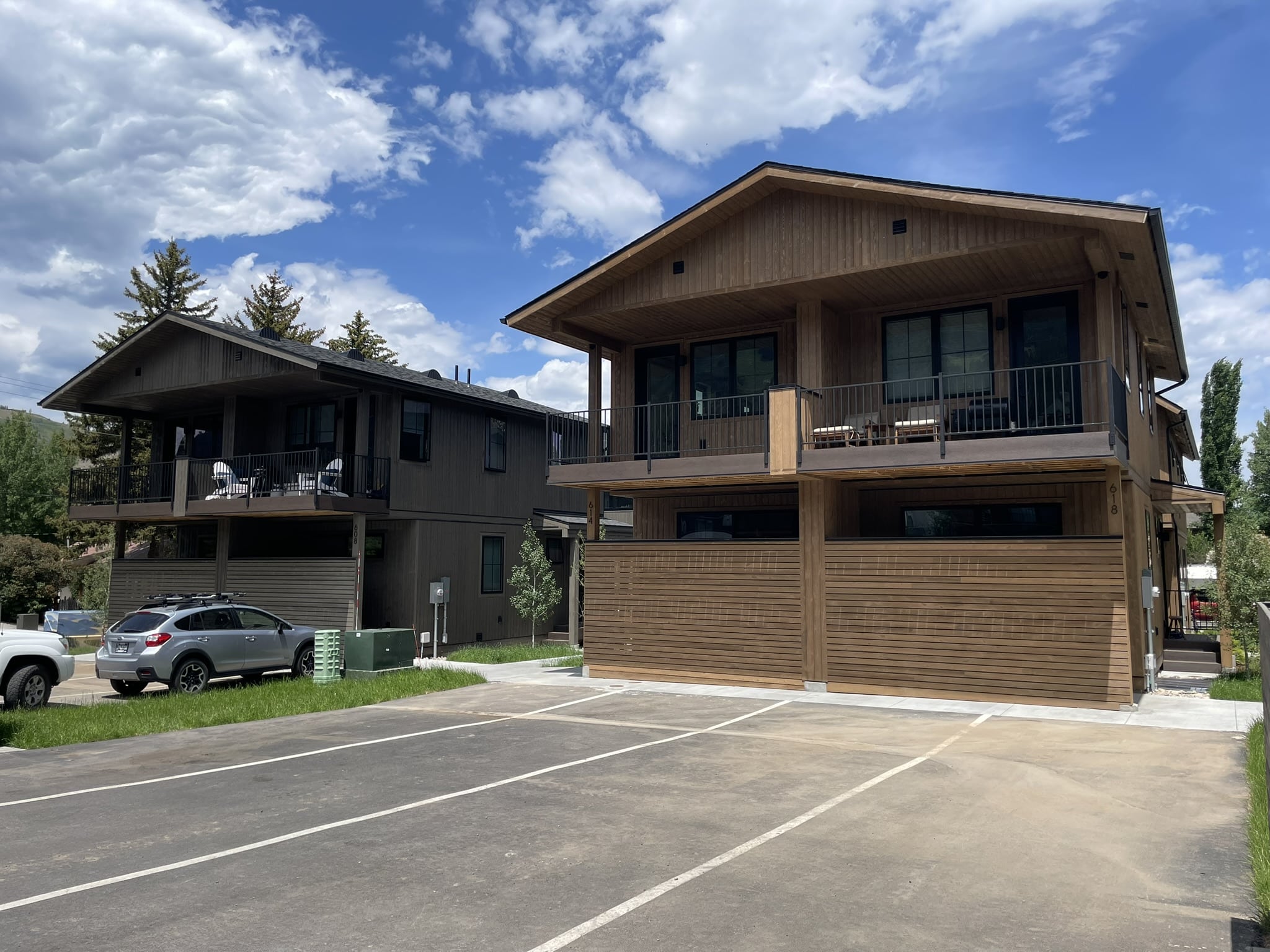
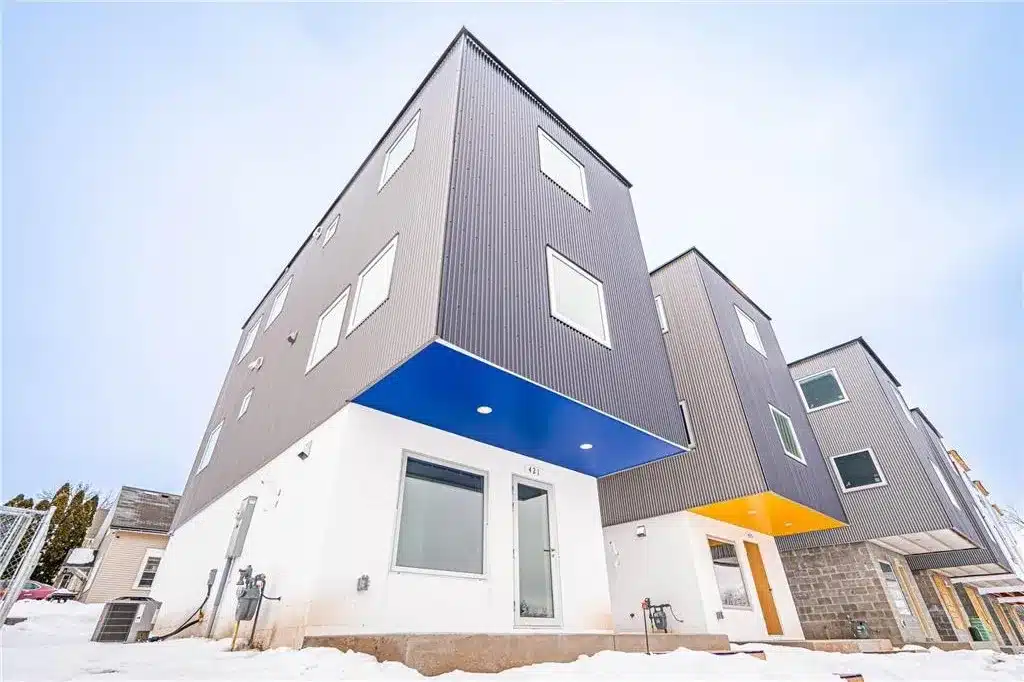
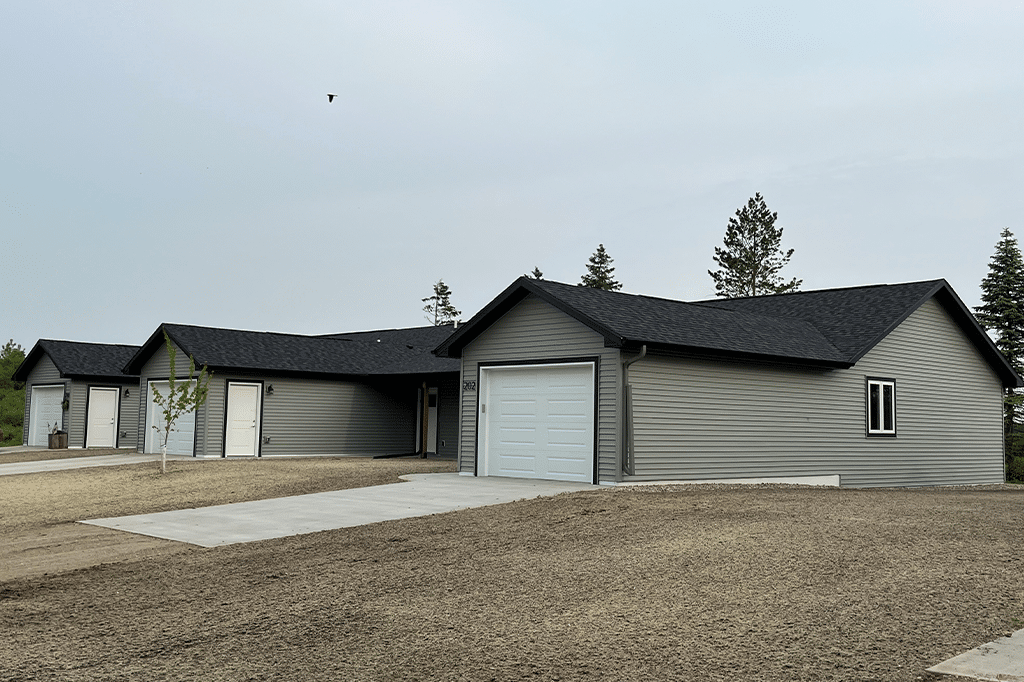
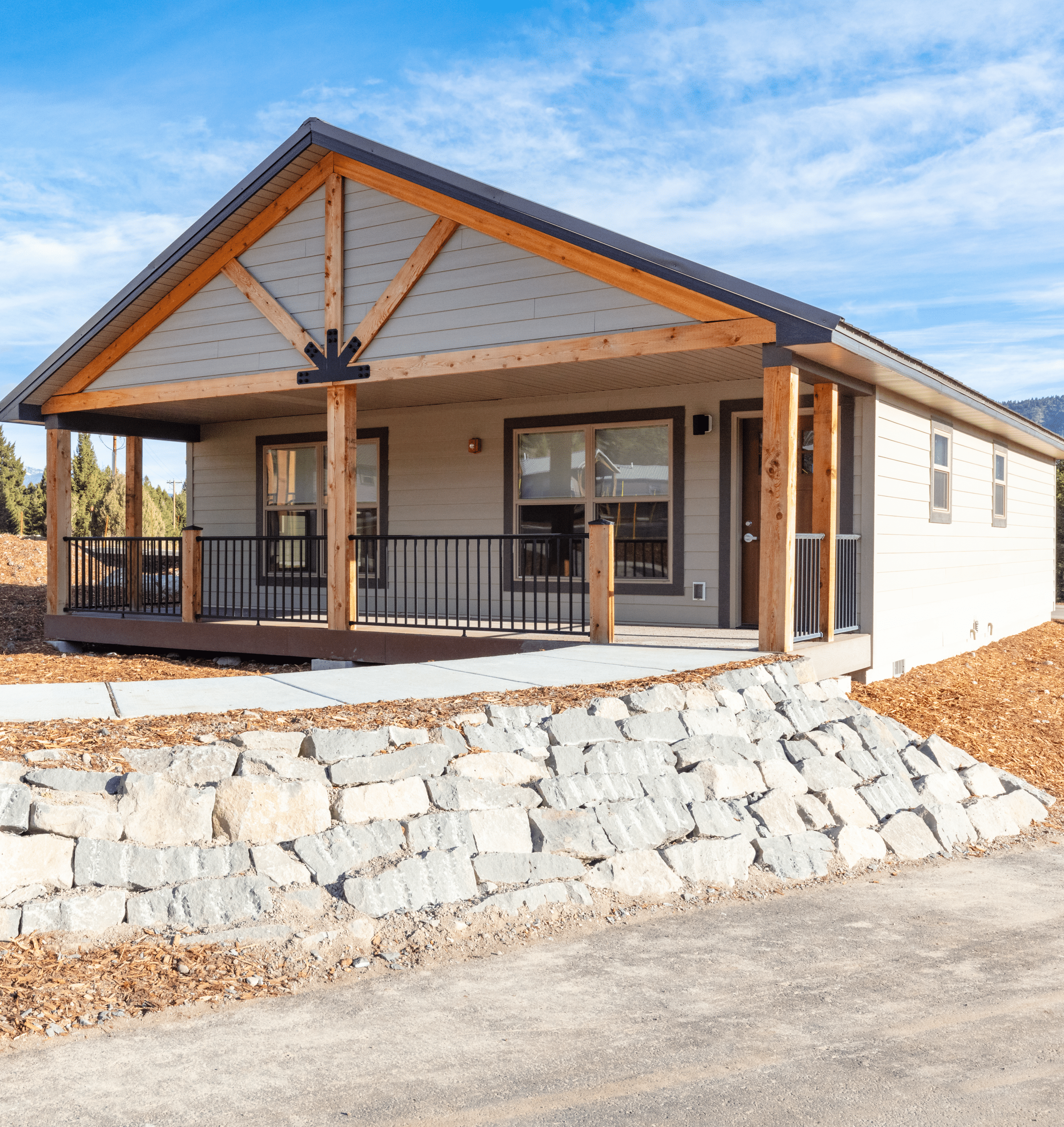
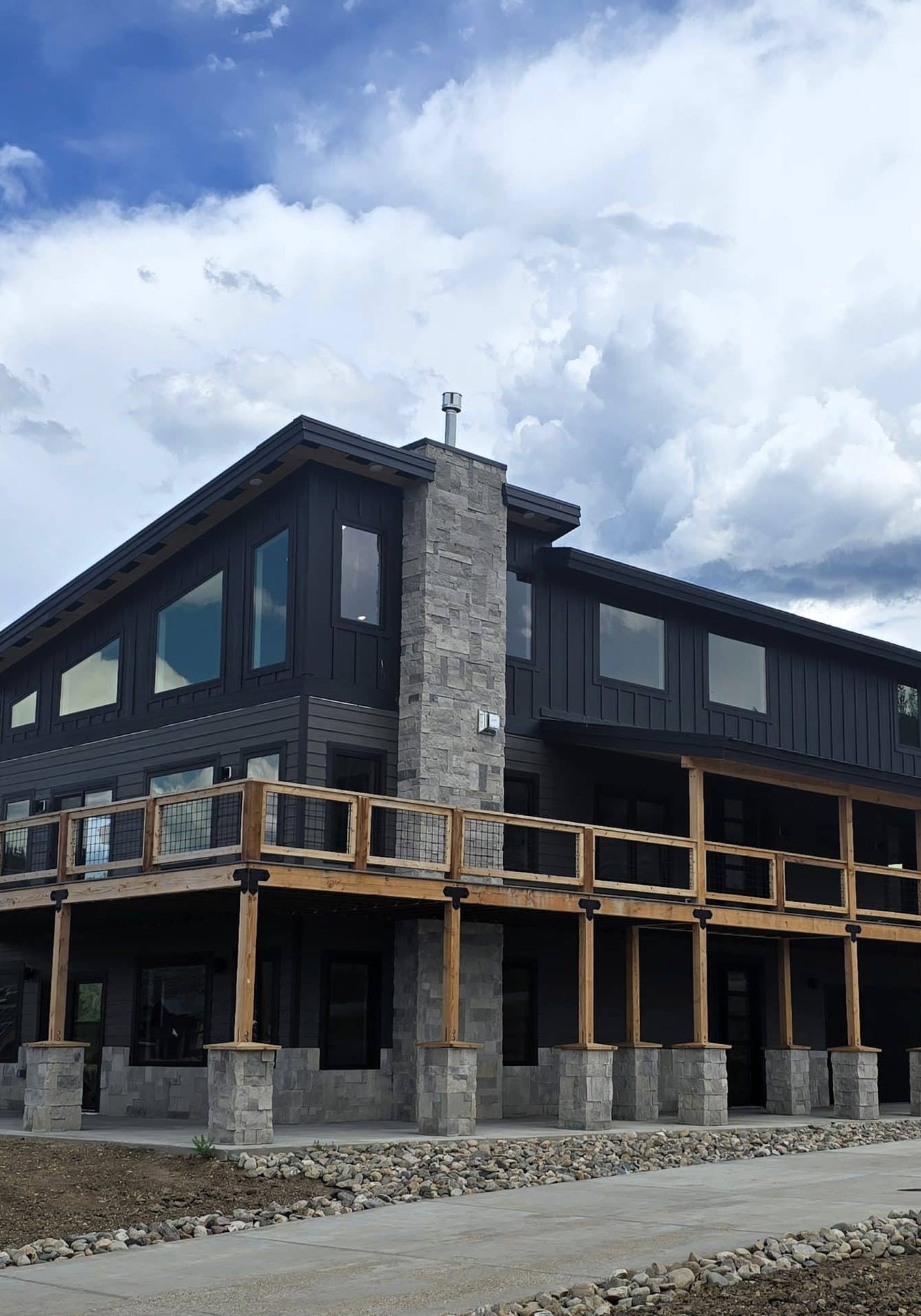
By offering a broad selection of building types and configurations—each proven in successful community projects—modular construction empowers organizations to solve unique housing challenges in neighborhoods, parks, tribal lands, camps, and more.
Compared to traditional homes and traditional housing, modular homes offer greater sustainability, reduced waste, and improved efficiency due to their factory setting and streamlined processes. Modular homes are also built to the same codes as site-built homes, ensuring compliance with local and state regulations for quality and safety.
The modular approach to housing development marks a significant shift in how communities are built. Its adaptability caters to everything from high-density urban zones to environmentally sensitive locations, reflecting a commitment to innovation and social responsibility.
By focusing on efficiency, sustainability, and tailor-made solutions, modular housing is poised to redefine what’s possible for community development projects. Developers and housing authorities alike are recognizing its potential to meet changing demands while fostering long-lasting, thriving neighborhoods. Additionally, modular homes are designed to optimize energy use, reducing utility costs for residents and supporting long-term sustainability.
Modular Construction and Technology
The intersection of modular construction and technology is reshaping the future of housing, offering innovative solutions that prioritize energy efficiency, affordable housing, and sustainable living. By leveraging advanced insulation, energy-efficient appliances, and eco-friendly materials, modular homes are setting new standards for reducing environmental impact and promoting a more sustainable lifestyle.
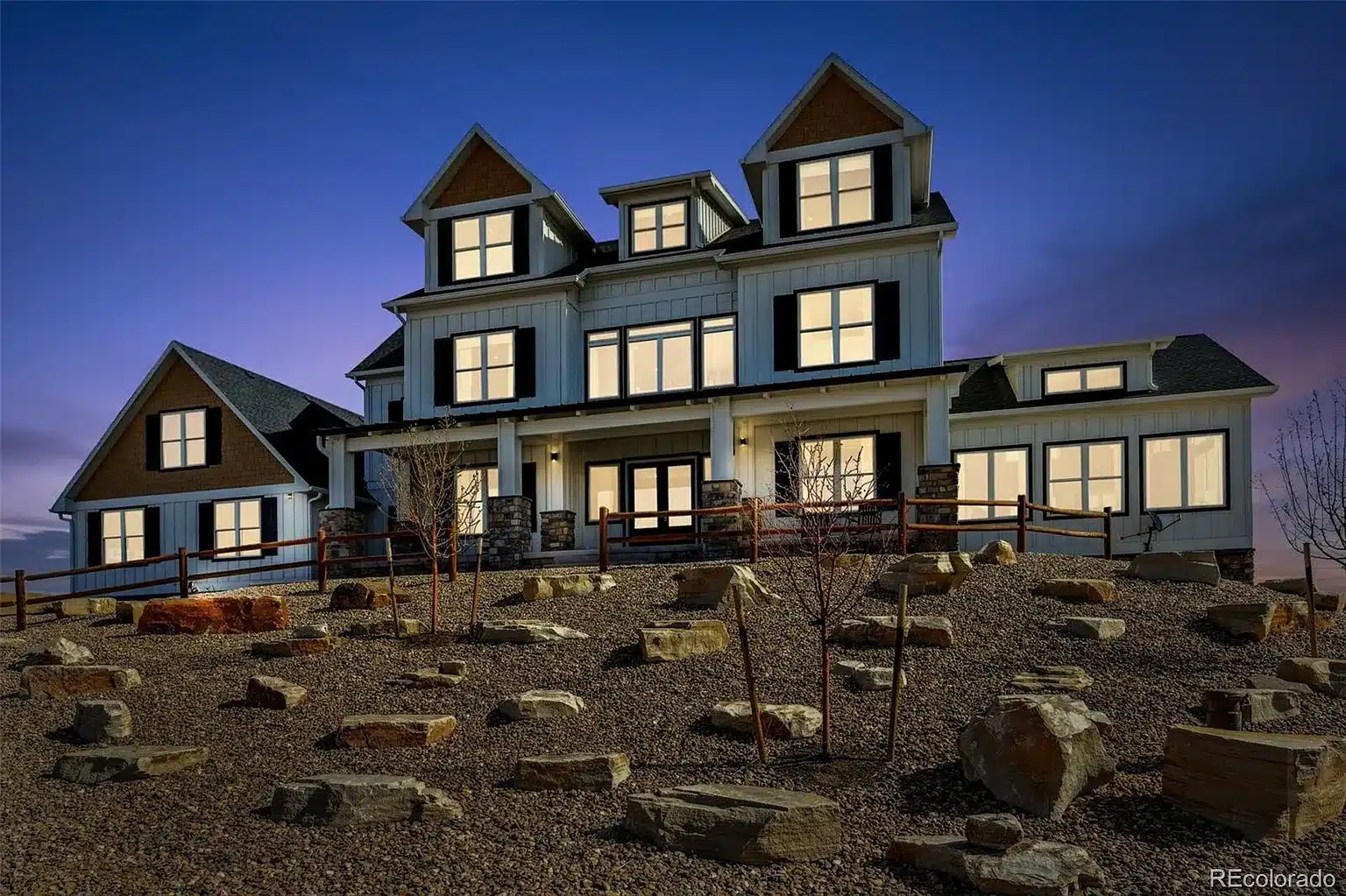
A key advantage of modular construction is the use of a controlled factory environment. Unlike traditional site-built homes, modular homes are constructed in factory settings where every aspect of the building process is carefully monitored. This approach not only ensures high quality and consistency but also significantly reduces labor costs, material waste, and construction time. The streamlined process allows for simultaneous site preparation and off-site construction, resulting in faster project completion and minimized disruption to the surrounding area.
Energy efficiency is at the heart of modern modular homes. With features like advanced insulation, energy-efficient appliances, and the integration of solar panels, these homes are designed to lower energy consumption and carbon emissions. The use of sustainable and eco-friendly materials further reduces the environmental impact, making modular construction a leading choice for those committed to sustainable living. Additionally, technologies such as rainwater harvesting and greywater recycling systems can be seamlessly incorporated, enhancing the overall sustainability of each project.
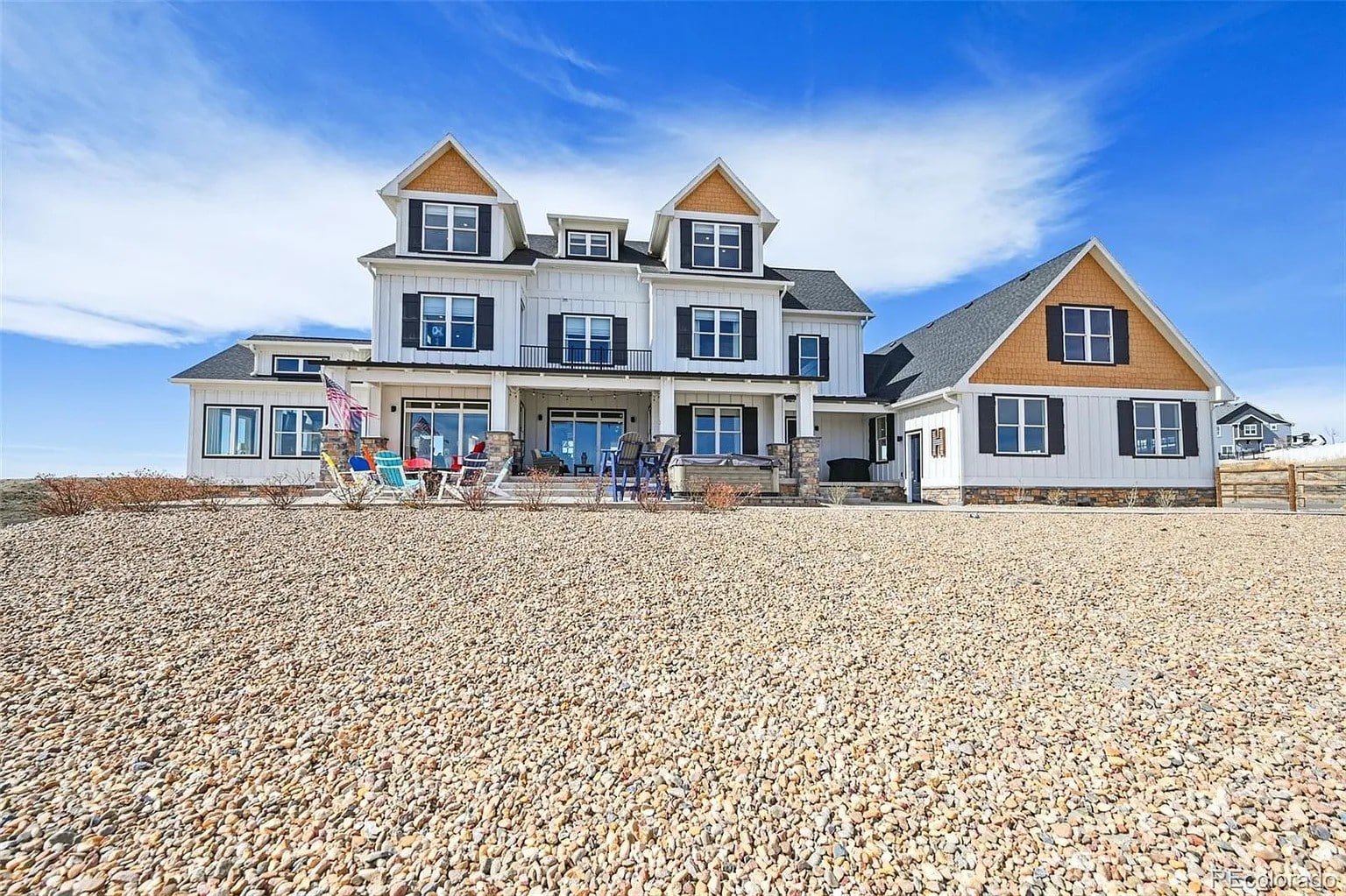
The adoption of cutting-edge technology in modular construction extends beyond materials and appliances. Advanced software and precision manufacturing techniques enable greater control over the construction process, ensuring that each component meets strict quality standards. This not only improves the durability and comfort of modular homes but also helps minimize waste and optimize resource consumption.
Modular construction is particularly well-suited for remote locations and environmentally sensitive areas. Because most of the building process occurs in a factory-controlled environment, on-site construction is limited to assembly, which reduces the environmental footprint and speeds up project delivery. This makes modular homes an ideal solution for affordable housing in areas with limited access to resources or where traditional construction would be challenging.
Start Your Modular Housing Project Today
Are you ready to take the next step in housing development? Modular construction offers endless possibilities for efficiently creating impactful, sustainable community housing. Whether your vision involves urban renewal, eco-friendly innovations, or overcoming the challenges of rural development, modular solutions provide the expertise and resources to bring your dreams to life.
Build smarter. Build sustainably. Build your community with modular housing using Northstar Systembuilt .
Start your DREAM PROJECT today!
Contact one of our friendly sales team members to find out more about how modular housing can benefit your project.